 How-to
7 Denver Industrial Property Risks Investors Miss
Quick Summary
Industrial property risks in Denver include building condition, zoning gaps, environmental liabilities from past tenants, vacancy and re-leasing, tenant concentration, and high operating and capital costs. Buyers who price deals on rent and cap rate alone often miss these exposures, so thorough local due diligence is essential before closing.
- Industrial buildings can hide roof problems, floor-load limits, and code gaps that a quick walkthrough misses.
- A clean Phase I is a records-and-visual review, not a guarantee, and does not sample soil or groundwater.
- Model a 12 to 18 month vacancy period and confirm debt and reserves can handle it.
- Build a capital reserve for roof, pavement, docks, and fire systems into underwriting at acquisition.
- Reassess property taxes at the purchase price, since a sale can trigger reassessment.
Table of Contents
- Why Denver Industrial Property Carries Distinct Risks
- Industrial Property Due Diligence Checklist for Denver Buyers
- Environmental Assessment: Hidden Liabilities at Industrial Sites
- Measuring Industrial Property Vacancy Risk
- Lease Analysis and Tenant Concentration Risk
- Operating and Capital Costs Specific to Industrial Assets
- Building Your Denver Industrial Acquisition Plan With MHLRE
- Frequently Asked Questions
Why Denver Industrial Property Carries Distinct Risks
Last Updated: November 2, 2026
Industrial property risks in Denver are not the same as risks in other markets. Buyers who skip local due diligence often pay for it later.
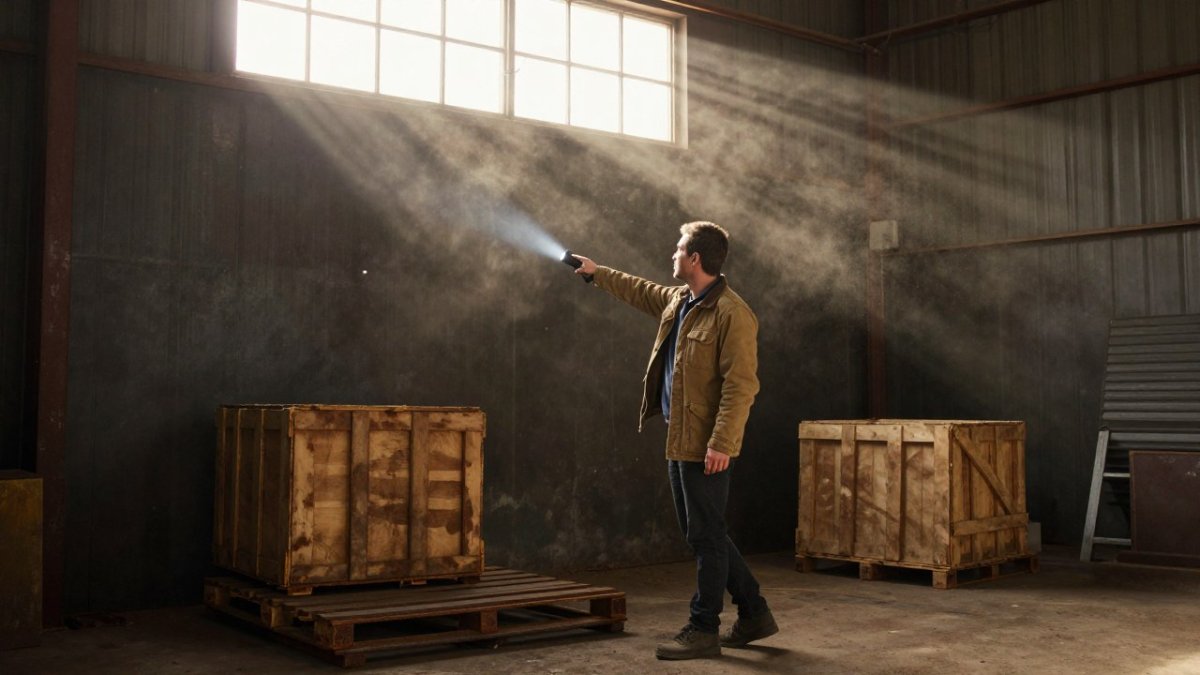
Industrial buildings also carry physical and legal exposure that office or retail assets often don't. A warehouse can look solid and still hide roof problems, floor-load limits, or code gaps.
Here's the core problem. Many investors price industrial deals on rent and cap rate alone.
The seven risks this guide covers:
- Building condition and deferred maintenance
- Zoning and permitted use gaps
- Environmental liabilities from past tenants
Industrial Property Due Diligence Checklist for Denver Buyers
Industrial property due diligence is the process of verifying a building's condition, title, zoning, environmental status, and lease terms before you close. A thorough review protects your capital and gives you use in negotiation.
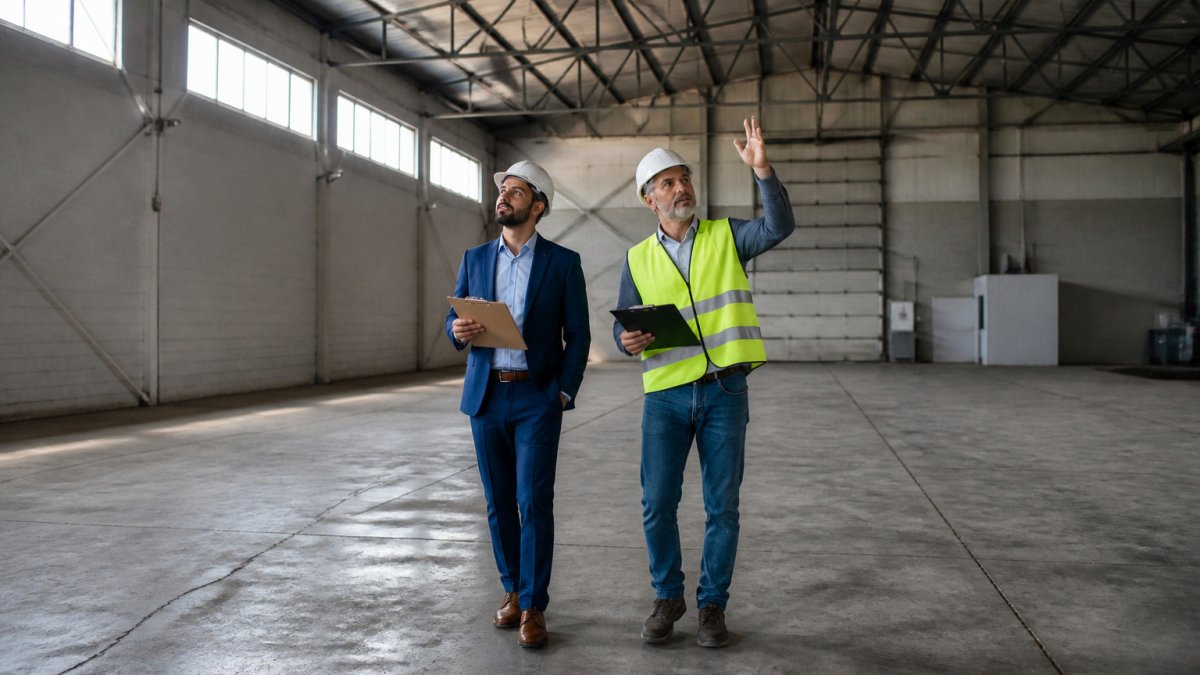
Start with these core items:
- Property condition assessment
- Title and survey review
- Zoning and permitted use confirmation
Physical Condition and Building Systems
Look beyond the paint and parking lot. Roofs, dock doors, slab floors, and fire systems drive most unexpected capital spending in industrial buildings.
Ask for these documents:
- Roof age and warranty records
- Dock equipment service logs
- Fire suppression inspection reports
Hire a licensed engineer for a full condition report. A general inspector may miss structural or code issues common to warehouses.
Title, Zoning, and Permitted Use Review
Zoning determines what you can legally do with the property. Confirm the current zoning classification with the appropriate local authority before you commit. Then verify that the existing use, including any outdoor storage or truck traffic, is permitted.
Watch for these gaps:
- Nonconforming uses that may not survive a sale or expansion
- Setback or height limits that cap future improvements
- Open title issues such as easements or liens
Environmental Assessment: Hidden Liabilities at Industrial Sites
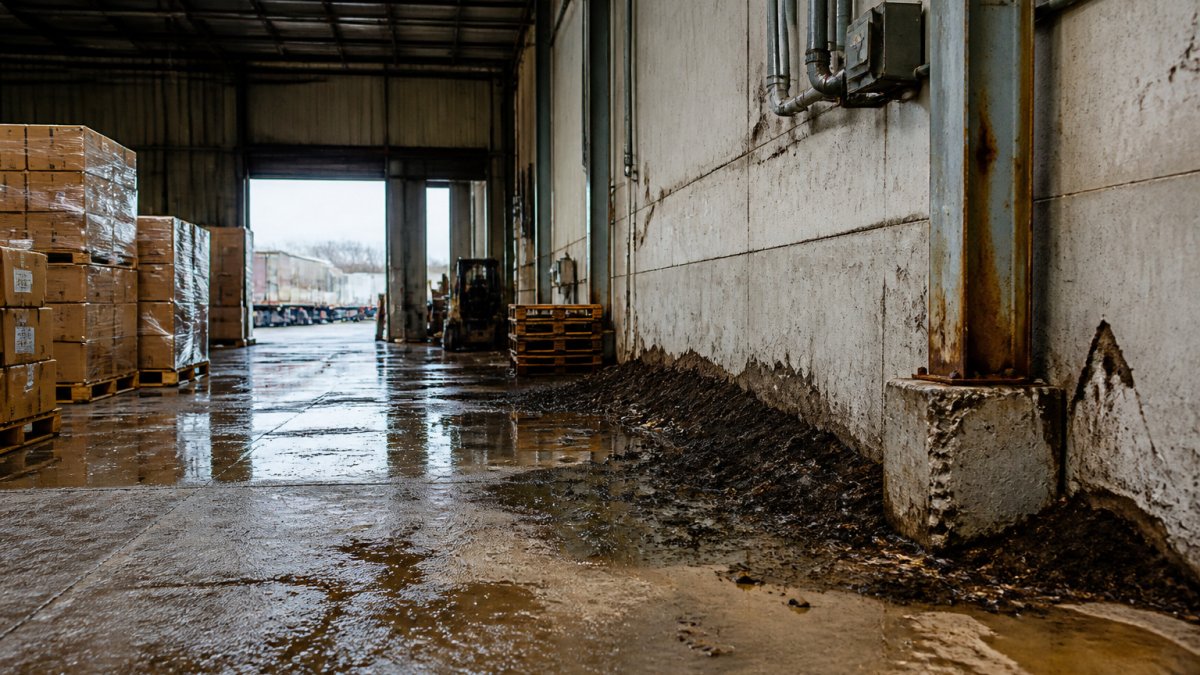
Environmental contamination is one of the costliest surprises in industrial real estate, and it is the risk most often underweighted in a Denver acquisition. Under federal environmental law, current owners can face cleanup liability even when a prior tenant caused the problem (the EPA).
The standard defense for a buyer is the bona fide prospective purchaser (BFPP) protection (the EPA). To qualify, buyers generally must complete pre-acquisition environmental diligence and continue appropriate care after closing. Confirm the requirements with your attorney.
What Phase I and Phase II Actually Cover
A Phase I ESA reviews historical records, aerial photos, Sanborn maps, regulatory databases, and a site walk to identify recognized environmental conditions (RECs). It does not sample soil or groundwater. If the Phase I flags a REC, an old underground storage tank, a neighboring dry cleaner, stained concrete near a dock, a Phase II sampling study measures actual contamination levels.
Building-Condition Liabilities That Compound Environmental Risk
Environmental exposure rarely travels alone. Industrial buildings carry physical liabilities that interact with contamination risk and drive capital spending:
- Roof condition. A failing roof can leak onto stored materials, create mold, and, if the tenant handles regulated substances, turn a maintenance item into a compliance issue. Request roof age, warranty, and repair history.
- Pavement and truck courts. Heavy truck traffic accelerates pavement wear. Resurfacing a truck court can be a significant expense depending on size and base condition. Get a pavement condition index or engineer's assessment.
- Fire suppression systems. Industrial fire systems are expensive to repair or replace, and insurance carriers may require upgrades before binding coverage. Confirm inspection reports and the system's design basis.
A Practical Environmental Workflow
- Order the Phase I early, before your due diligence period narrows.
- Review the Phase I for RECs and historical uses, not just the executive summary.
- If RECs appear, scope a Phase II with your environmental consultant and price the contingency into your offer.
- Confirm the BFPP defense with counsel and document all appropriate inquiries.
- Pair the environmental review with a PCA so building-condition costs and contamination risk are underwritten together.
Measuring Industrial Property Vacancy Risk
Vacancy risk is one of the industrial property risks that matters most: the chance that a building sits empty longer than your model assumes. Extended downtime between leases often forces owners to seek capital infusions, though bridge financing risks can quickly erode the remaining equity if the property fails to stabilize on schedule.
Measure vacancy risk with these inputs:
- Current submarket vacancy rate and trend
- Average time to lease similar buildings
- Cost of tenant improvements for a new user
Run a downside scenario. Model a 12 to 18 month vacancy period and confirm your debt and reserves can handle it.
Lease Analysis and Tenant Concentration Risk
Lease structure shapes how safe your income is. Review rent escalations, expiration dates, renewal options, and who pays for repairs. Many industrial leases use triple-net terms, which shift operating costs to the tenant, but only if the lease language is clear and enforceable.
Tenant concentration is equally important. If one tenant occupies most of the building, a single default can wipe out your cash flow. Check:
- Percentage of rent from the largest tenant
- Tenant credit strength and financial reporting
- Lease expiration schedule across the rent roll
A balanced rent roll spreads risk. Single-tenant buildings can still work, but you need stronger reserves and tenant credit to justify the exposure.
Operating and Capital Costs Specific to Industrial Assets
Industrial buildings have cost profiles that differ from office or multifamily properties, and the difference shows up in net operating income (NOI). This section explains how industrial costs move NOI and cap-rate-based valuations.
Operating Expenses: What to Expect and How to Underwrite Them
Industrial operating expenses typically include property taxes, insurance, utilities (common-area and any landlord-paid), repairs and maintenance, snow removal, landscaping, and management. In a triple-net (NNN) lease, many of these are passed to the tenant, but only to the extent the lease language is clear and enforceable. In a gross or modified-gross lease, the landlord absorbs them, and they hit NOI directly.
Underwrite each line with a market-supported assumption rather than the seller's trailing statement:
- Property taxes. Reassess at the purchase price. A sale often triggers a reassessment, and the seller's historical tax bill may understate your first-year expense.
- Insurance. Industrial insurance can rise with fire-risk factors, roof age, and environmental exposure. Get a quote before you remove your insurance contingency.
- Utilities. Confirm which utilities are landlord-paid and whether submetering exists. Unmetered utilities in a multi-tenant building are a leakage risk.
Capital Costs: The Reserves That Protect NOI
Capital expenditures do not run through NOI in the year incurred, but they consume cash flow and affect resale value. Industrial-specific capital items include:
- Roof replacement. A large-format industrial roof is a major line item. Underwrite a roof reserve based on remaining useful life, and confirm warranty transferability.
- Dock and door equipment. Dock levelers, seals, and overhead doors wear with heavy use. Service logs reveal whether the prior owner deferred maintenance.
- Parking lot and truck-court resurfacing. Heavy truck traffic accelerates pavement failure. A pavement condition assessment will help you time and budget the work.
How These Costs Flow Through NOI and Value
NOI equals effective gross income minus operating expenses. Capital reserves sit below NOI but reduce cash flow available for debt service and distributions. Because commercial value is often derived by dividing NOI by a market cap rate, every dollar of unrecovered operating expense reduces value by a multiple of that dollar. A small per-square-foot increase in operating expenses reduces NOI by a proportional amount across the building, and because value is derived from NOI, the effect on value is magnified.
A Simple Underwriting Workflow
- Start with the seller's trailing-12-month operating statement, but do not accept it at face value.
- Reassess taxes at the purchase price and re-quote insurance.
- Replace the seller's repairs-and-maintenance actuals with a market per-square-foot assumption.
- Add a capital reserve line for roof, pavement, docks, and fire systems.
- Recalculate NOI and value, then stress-test with higher expenses and lower rent.
Industrial operating and capital costs that most often erode returns are summarised below.
| Cost item | Underwriting approach | Why it matters |
|---|---|---|
| Property taxes | Reassess at purchase price | Sale can trigger reassessment |
| Insurance | Get a quote before closing | Fire-risk factors and roof age affect rates |
| Repairs and maintenance | Market per-square-foot reserve | Replaces seller's actuals |
| Management fee | Underwrite a market fee | Keeps NOI comparable to third-party management |
| Roof replacement | Reserve by remaining useful life | Large-format industrial roofs are a major expense |
| Dock and door equipment | Review service logs | Reveals deferred maintenance |
| Truck-court resurfacing | Pavement condition assessment | Heavy truck traffic accelerates wear |
| Fire suppression upgrades | Confirm inspection reports | Code changes and insurer requirements can force upgrades |
Building Your Denver Industrial Acquisition Plan With MHLRE
A strong acquisition plan connects every risk above to a clear action.
Work with advisors who know the local market. MHLRE provides professional guidance and market insights for commercial property transactions in the Denver area.
Use this simple plan:
- Set your target return and hold period
- Complete the due diligence checklist before closing deposits become non-refundable
- Build reserves for roof, floor, and environmental contingencies
Industrial property can deliver strong returns in Denver, but only for investors who plan for its specific risks. Contact MHLRE to discuss your next acquisition.
Frequently Asked Questions
What are the main risks of investing in industrial property?
The main risks are vacancy when a tenant leaves, tenant credit weakness, lease concentration where one tenant occupies most of the building, environmental contamination that can carry cleanup liability, deferred maintenance on roofs, slabs and dock equipment, and rising operating costs. Denver investors should also weigh zoning limits on permitted uses, since a building that cannot easily be re-leased to a different industrial user is harder to sell or refinance. Stress-test each risk against a downside scenario before committing capital.
What due diligence should investors complete on an industrial building?
A complete industrial property due diligence checklist covers a property condition assessment, a Phase I environmental site assessment, a title and survey review, zoning verification and certificate of occupancy confirmation, a rent roll and lease abstract review, estoppel certificates from tenants, and a review of service contracts and utility capacity. Confirm clear height, dock door count, truck court depth and power supply against the intended use. Request three years of operating statements to validate reported net operating income.
How can vacancy risk affect an industrial property investment?
Vacancy reduces rental income while operating expenses, taxes and insurance continue, which compresses net operating income and cash flow. Downtime to re-lease a warehouse can run several months, and tenant improvement allowances and leasing commissions add capital requirements. Investors should model vacancy at a realistic rate for the submarket, plus a scenario where the largest tenant leaves at expiration, before setting an acquisition price or debt service level.
What environmental issues should buyers investigate at an industrial site?
Buyers should investigate past uses that may have involved fuels, solvents, metal plating, or chemical storage, underground storage tanks, stained soil or floors, and groundwater impacts. A Phase I environmental site assessment reviews historical records and site conditions, and a Phase II sampling program is warranted if concerns appear. Environmental liability can attach to the owner regardless of who caused the contamination, so verify the findings and the cost of any remediation before closing.